1. Introduction
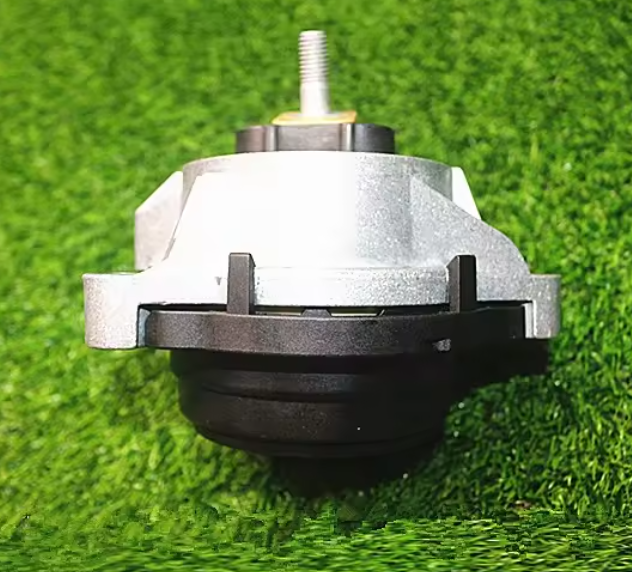
Engine mounts are crucial yet often overlooked components that play a key role in vehicle performance. For professional automotive workshops, choosing durable engine mounting solutions is essential for smooth repairs and better vehicle performance. In this article, you will learn about the importance of high-quality engine mounts for improving repairs and reducing maintenance costs.

2. Understanding Engine Mounting: Key Factors for Durability
Material Quality in Engine Mounts
Engine mounts come in various materials, each designed to serve different purposes and offer specific advantages. The material used in the engine mount is one of the key factors that affect its durability, vibration dampening, and noise isolation capabilities. The most common materials used for engine mounts are:
● Rubber: Traditional and cost-effective, rubber engine mounts offer good vibration dampening. However, they are prone to wear and tear over time, particularly in vehicles that experience high stresses or frequent temperature changes.
● Hydraulic: Hydraulic engine mounts are filled with fluid, allowing for better vibration control and noise isolation. They offer superior performance compared to rubber mounts, especially in high-performance vehicles, due to their ability to absorb a wider range of vibrations.
● Polyurethane: Known for its rigidity and durability, polyurethane is used in high-performance or heavy-duty vehicles. Polyurethane engine mounts provide better stability and control over the engine's movement, but they can sometimes increase noise levels.
Choosing the appropriate material is essential for workshops that cater to a wide range of vehicles. High-performance or luxury vehicles require mounts made from hydraulic or polyurethane materials, while standard vehicles may benefit from rubber mounts that offer a more cost-effective solution.
Material | Vibration Dampening | Noise Isolation | Durability | Best Use Case |
Rubber | Moderate | Moderate | Moderate | Standard vehicles, cost-effective solution |
Hydraulic | High | Very High | High | High-performance vehicles, luxury cars |
Polyurethane | High | Moderate | Very High | Performance vehicles, heavy-duty trucks |
Load-Bearing Capacity of Engine Mounts
The load-bearing capacity of engine mounts is another critical factor that determines their durability. Durable engine mounts must be able to handle the weight of the engine and the forces exerted during vehicle operation, including acceleration, braking, and cornering.
Engine mounts with a higher load-bearing capacity help ensure that the engine remains properly aligned during these stresses. This prevents the engine from shifting, reduces wear on other components, and improves vehicle handling. For workshops, it's crucial to choose engine mounts that match the engine's weight and the vehicle's expected operational conditions.
Engine Type | Mount Type | Load-Bearing Capacity |
Standard Vehicles | Rubber Engine Mounts | Moderate |
High-Performance | Hydraulic Engine Mounts | High |
Heavy-Duty Trucks | Polyurethane Engine Mounts | Very High |
Resistance to Wear and Tear
Engine mounts are exposed to a range of stresses, including high temperatures, vibrations, and constant mechanical forces. Over time, this exposure can lead to wear and tear, causing mounts to degrade and lose their ability to function effectively.
Durable engine mounts are made from materials that are resistant to degradation due to heat, friction, and continuous stress. Polyurethane mounts, for example, are highly resistant to wear and tear and can withstand extreme conditions, making them ideal for high-performance or heavy-duty applications. By choosing mounts with high resistance to wear, workshops can ensure longer-lasting performance and reduce the frequency of repairs caused by faulty mounts.
3. How Engine Mounting Affects Workshop Efficiency
Minimizing Downtime with Durable Engine Mounts
In any automotive workshop, minimizing downtime is essential for maximizing productivity. The quicker a vehicle can be repaired and returned to the customer, the better it is for the workshop’s bottom line. Durable engine mounts help reduce downtime by preventing engine misalignment and excessive vibrations during repairs.
When the engine is securely mounted, the repair process is faster, and there is less risk of causing additional damage to other vehicle components. This allows mechanics to focus on repairing the actual issues, rather than spending extra time fixing engine-related problems caused by faulty mounts. As a result, workshops can complete more jobs in less time, boosting overall efficiency.
Reducing Rework and Enhancing Precision
Durable engine mounts contribute to the overall precision of vehicle repairs. With stable engine positioning, workshops can perform repairs more accurately, leading to fewer mistakes and less rework. A stable engine ensures that the surrounding components, such as the transmission and exhaust system, remain properly aligned during repairs.
Rework not only costs time but also damages a workshop’s reputation. Customers expect their vehicles to be repaired the first time without the need for revisits. By using durable engine mounts, workshops can enhance their repair precision, reduce rework, and improve the overall quality of service.
The Cost-Benefit of Investing in Durable Engine Mounts
While the initial investment in durable engine mounts may seem higher, the long-term cost benefits are significant. Durable engine mounts help prevent premature wear, reducing the need for frequent repairs and replacements. They also enhance vehicle performance, which leads to better customer satisfaction and fewer complaints.
Additionally, workshops that use high-quality engine mounts can reduce the time spent on repairs, which helps improve the overall efficiency of the workshop. In the long run, these cost savings can outweigh the initial investment, making durable engine mounts a wise financial choice for any professional workshop.
4. Choosing the Right Engine Mounting Solution for Your Workshop
Assessing Vehicle Requirements and Workshop Needs
Different vehicles require different engine mounting solutions. Performance cars, heavy-duty trucks, and standard vehicles all have distinct engine mounting needs. Before selecting the right engine mounts, workshops need to assess the types of vehicles they commonly service and choose the appropriate mounts accordingly.
For instance, sports cars and heavy-duty trucks require mounts that provide superior vibration control and durability to withstand the high stresses associated with these vehicles. On the other hand, standard vehicles may require more cost-effective, moderate-performance engine mounts.
The Benefits of High-Performance Engine Mounts for Specific Vehicles
High-performance engine mounts, such as polyurethane and hydraulic mounts, offer significant advantages for specific vehicle types. These mounts provide better vibration control, noise isolation, and long-term durability, making them ideal for performance vehicles and heavy-duty trucks.
Choosing high-performance engine mounts not only improves vehicle handling but also enhances the overall repair quality. These mounts help maintain the engine’s alignment under high-stress conditions, reducing the likelihood of misalignment or premature wear of other components.
Partnering with Trusted Engine Mount Manufacturers
For workshops, partnering with trusted and reputable engine mount manufacturers ensures access to high-quality, durable products. Reliable manufacturers offer products that meet or exceed industry standards and provide warranties to guarantee the quality of their mounts.
Additionally, working with trusted suppliers can give workshops access to expert advice, product support, and updated technologies, helping them stay ahead of the competition. This partnership is crucial for workshops looking to provide the best engine mounting solutions to their customers.

5. The Role of Engine Mounting in Vehicle Performance and Longevity
Impact on Vehicle Handling and Comfort
Engine mounts play a key role in the vehicle’s handling by preventing excessive engine movement. High-quality engine mounts ensure that the engine stays in place, even during hard acceleration or sharp turns, improving vehicle stability and handling. This results in a smoother and more comfortable ride for the customer.
For workshops, offering vehicle repairs that include the installation of high-quality engine mounts can greatly improve customer satisfaction. By ensuring better handling and reduced vibrations, workshops can create a superior driving experience for customers.
Preventing Engine and Component Damage
Durable engine mounts help protect the engine and surrounding components from damage caused by excessive movement and vibrations. When the engine moves excessively, it can put unnecessary strain on parts like the transmission, exhaust system, and suspension, leading to accelerated wear and potential failures.
By choosing high-quality engine mounts, workshops can protect these crucial components, ensuring that the vehicle runs smoothly and reducing the need for future repairs. This contributes to the overall longevity of the vehicle and increases customer satisfaction by reducing long-term maintenance costs.
Long-Term Benefits of Durable Engine Mounting Solutions
Investing in durable engine mounts offers significant long-term benefits for both workshops and customers. These mounts help extend the lifespan of the vehicle, reduce repair costs, and improve the overall driving experience. Customers will appreciate the longer-lasting repairs and enhanced performance, which can lead to higher customer loyalty and repeat business for the workshop.
6. Troubleshooting Common Engine Mounting Issues
Signs of Worn-Out Engine Mounts
Engine mounts play a crucial role in reducing vibrations and securing the engine to the vehicle’s chassis. Over time, these mounts can wear out due to continuous exposure to heat, stress, and vibrations. When engine mounts degrade, they can cause a variety of issues that not only affect vehicle performance but also lead to costly repairs. Identifying these signs early can prevent further damage and ensure more efficient repairs.
Here are some common signs of worn-out engine mounts:
● Excessive Vibration Felt in the Cabin: One of the most noticeable signs of worn engine mounts is increased vibration that can be felt inside the cabin. This occurs because the engine is no longer properly secured, causing it to move excessively. You may notice vibrations in the steering wheel, seat, or floorboard, especially when idling or accelerating. This can be particularly uncomfortable for passengers and can affect the vehicle’s overall driving experience.
● Unusual Clunking or Knocking Noises: When engine mounts deteriorate, they can cause the engine to move more than usual, resulting in a clunking or knocking sound when the vehicle accelerates or decelerates. These noises are often caused by the engine or other components making contact with the chassis or other parts of the vehicle. If you hear these sounds, it’s a clear sign that the engine is no longer securely mounted and the mounts may need replacement.
● Engine Misalignment or Uneven Performance: Worn engine mounts can also lead to misalignment of the engine. This misalignment can cause uneven performance, including rough idling, poor acceleration, and engine stalling. As the engine shifts out of position, it can affect the connection to other components like the transmission and exhaust system. This misalignment can result in poor fuel efficiency, reduced power, and further wear on vehicle parts.
● Excessive Engine Movement or Shifting: If the engine moves excessively during acceleration, braking, or when shifting gears, this is another indication that the mounts are worn out. The engine may physically shift or tilt, which can cause discomfort and be noticeable through the car’s vibrations and sounds. This movement can lead to additional damage to engine components and other parts of the vehicle if left unchecked.
● Visible Damage to the Engine Mounts: In some cases, you may notice visible signs of damage on the engine mounts themselves. Cracks, tears, or missing parts are often a clear indication that the mount needs to be replaced. A worn-out or damaged mount can cause fluid leaks or contribute to greater wear on the surrounding components. Inspecting the mounts visually can help identify problems before they escalate.
How to Diagnose Engine Mounting Problems
Diagnosing engine mounting problems involves a few simple steps. Workshops can visually inspect the mounts for visible damage, such as cracks, tears, or leaks. They can also check for excessive movement in the engine or listen for unusual noises during idle or while driving.
Using diagnostic tools such as vibration analyzers or ultrasonic detectors can help pinpoint mounting issues, making the diagnosis process more efficient and accurate.
Addressing Engine Mount Failures Before They Impact Performance
Preventing engine mount failure before it affects vehicle performance is crucial. Workshops should replace worn-out engine mounts as soon as they notice signs of wear to prevent further damage to the engine or surrounding components. Regular inspections and early detection of engine mount issues can save both time and money in the long run.
7. Conclusion
Investing in durable engine mounts is a smart choice for any automotive workshop. High-quality engine mounts ensure long-lasting repairs, reduce rework, and boost customer satisfaction. At Huiying, an experienced manufacturer specialized in auto parts, we offer premium engine mounting solutions that enhance vehicle performance and help workshops build a reputation for reliability. By providing superior solutions, workshops can foster customer loyalty, encourage repeat business, and thrive in the competitive automotive repair industry.
FAQ
Q: What are engine mounting solutions and why are they important for workshops?
A: Engine mounting solutions are designed to secure the engine to a vehicle’s chassis while reducing vibrations and noise. They are essential in workshops for ensuring smooth vehicle repairs and improving vehicle performance.
Q: How do durable engine mounts improve workshop efficiency?
A: Durable engine mounts minimize downtime and reduce rework by ensuring the engine remains properly aligned, which helps workshops complete repairs faster and more accurately.
Q: Why is material quality important in engine mounting solutions?
A: The material quality of engine mounts affects their durability, vibration dampening, and noise isolation. High-quality materials like polyurethane or hydraulic provide better performance and longer-lasting service, making them crucial for professional workshops.
Q: What are the cost benefits of investing in durable engine mounts?
A: Investing in durable engine mounts may have a higher upfront cost but offers long-term savings by reducing repair frequency, enhancing vehicle performance, and improving customer satisfaction.
Q: How can workshops diagnose engine mounting issues?
A: Workshops can diagnose engine mounting issues by inspecting mounts for visible wear, listening for unusual engine noises, and checking for misalignment or excessive vibrations during operation.


