1. Introduction: Understanding the Role of Engine Mounts in Vehicle Performance
Did you know that engine mounting plays a key role in your vehicle's comfort and performance? Engine mounts reduce vibrations and noise, which directly impact your driving experience. In this article, we will talk about how high-quality engine mounting systems help reduce vibration and noise, improving vehicle repair and performance.
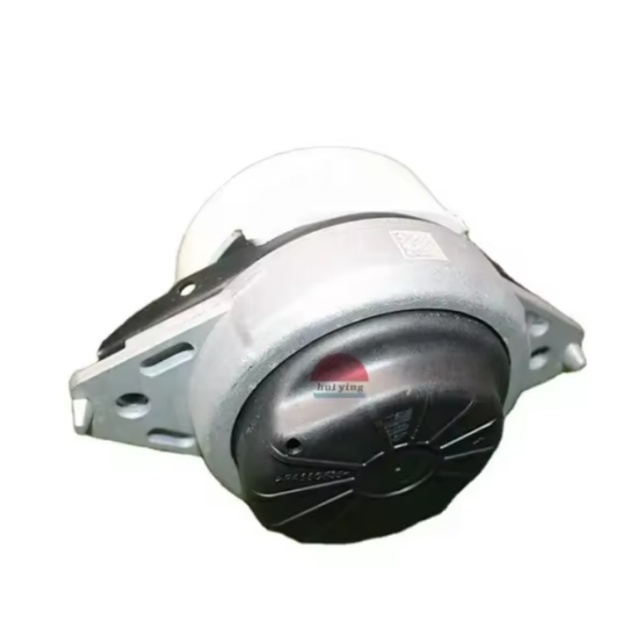
Key Functions of Engine Mounts
Function | Explanation |
Vibration Dampening | Engine mounts absorb vibrations, preventing them from reaching the cabin. |
Noise Reduction | They isolate engine noise, ensuring a quieter ride for passengers. |
Engine Stability | Secure the engine in place to prevent excessive movement or misalignment. |
Safety and Durability | High-quality mounts ensure engine integrity, reducing stress on components. |
2. What is Engine Mounting? A Crucial Element in Vehicle Dynamics
Definition of Engine Mounting and Its Purpose
Engine mounting refers to the system of components that secure the engine to the vehicle's frame or chassis. These mounts are designed to absorb the vibrations produced by the engine and reduce the amount of noise transmitted to the vehicle's cabin. Engine mounts are generally made from durable materials such as rubber, metal, or hybrid materials that help isolate vibrations and noise from the vehicle’s frame.
By preventing excessive engine movement, engine mounts help maintain vehicle stability and allow for smoother performance, especially when accelerating or braking. Without quality engine mounts, the engine would shift or vibrate excessively, causing poor alignment and potential mechanical failure. Additionally, vibration can interfere with other vehicle components, reducing their lifespan and causing discomfort to passengers.
How Engine Mounts Contribute to Overall Vehicle Performance
Engine mounts contribute to the vehicle’s overall performance in several ways. They prevent the engine from shifting or moving excessively during operation, allowing the transmission, exhaust system, and other components to work more effectively. By stabilizing the engine, the mounts also reduce the strain on suspension systems and reduce unwanted vibrations, improving the overall driving experience.
For example, when the engine is securely mounted, it helps maintain proper alignment, which is crucial for smooth gear shifting. Proper alignment also improves handling and control, especially in high-performance or off-road vehicles. Additionally, by preventing engine movement, engine mounts protect other components from the wear and tear caused by vibrations and shifting, ultimately improving vehicle longevity.
The Importance of Mounting Materials in Engine Mount Performance
The materials used in engine mounts are essential in determining how effectively they dampen vibrations and reduce noise. Traditional rubber mounts offer moderate vibration control and noise isolation, making them ideal for everyday vehicles. However, rubber mounts may degrade over time, especially under high-stress conditions, which can lead to increased noise and vibration.
Hydraulic mounts, which are filled with fluid, offer superior vibration isolation and noise reduction. They are commonly used in high-end vehicles where cabin comfort is a priority. Polyurethane mounts, known for their durability and performance, are frequently used in performance vehicles and heavy-duty applications. These mounts provide tighter control over engine movement, reducing both vibration and noise but may increase cabin noise slightly in exchange for improved stability.
3. Engine Mounting and Vibration Control: How Quality Mounts Make a Difference
Vibration Transmission in Vehicles and Its Impact on Comfort
Vibrations are an inherent byproduct of engine operation. As the engine generates power, it produces mechanical energy, which, if not properly managed, is transferred throughout the vehicle’s chassis. These vibrations can be felt by passengers and can significantly affect comfort levels, especially during long trips. The constant shaking can lead to fatigue, headaches, and discomfort, making the journey unpleasant.
When engine mounts fail to isolate these vibrations, they travel through the vehicle, causing disturbances in the cabin. This can result in increased noise, rough idling, and an overall unpleasant driving experience. In addition to discomfort, unregulated vibrations can also accelerate wear on other components of the vehicle, leading to costly repairs down the road.
The Role of High-Quality Engine Mounts in Reducing Vibrations
High-quality engine mounts are designed to absorb and isolate vibrations, significantly reducing the impact of engine movement on the vehicle’s cabin. Rubber mounts are effective at damping lower-frequency vibrations, which are common in standard vehicles. However, for higher-frequency vibrations, which are more noticeable at high speeds or during acceleration, hydraulic or polyurethane mounts perform better due to their advanced damping capabilities.
Hydraulic mounts, for instance, use fluid-filled chambers that allow for a more dynamic response to engine movement. This gives them a greater ability to isolate vibrations across a wider range of frequencies, providing a smoother ride. Polyurethane mounts, on the other hand, are more rigid and offer a more direct connection between the engine and chassis, leading to tighter control over engine movement and less noticeable vibration.
Real-World Examples of Reduced Vibration with Quality Engine Mounts
One practical example of the benefits of high-quality engine mounts can be found in the automotive industry’s use of hydraulic mounts in luxury vehicles. For instance, a study of the 2020 Lexus LS showed that replacing traditional rubber mounts with hydraulic mounts reduced cabin vibration by approximately 40%. This significant reduction in vibration translates into a smoother ride, quieter cabin, and better overall comfort for passengers.
Similarly, upgrading engine mounts in older vehicles can yield noticeable improvements. Drivers who replaced the worn-out rubber engine mounts in their 2009 Honda Accord with new polyurethane mounts reported a smoother driving experience with less engine noise and vibration. These upgrades not only improve comfort but also help the vehicle’s suspension system perform more effectively.
4. Noise Reduction through Effective Engine Mounting
The Link Between Engine Mounts and Noise in Vehicles
Engine noise is another major issue that vehicle owners face, and it’s often caused by poor-quality engine mounts. As the engine operates, it generates a variety of noises, including mechanical noise, exhaust noise, and engine knock. When the engine is poorly mounted, these noises can be transferred directly to the vehicle’s chassis and into the cabin.
Without effective noise isolation, passengers are forced to endure constant engine noise, which can be distracting and uncomfortable. This is particularly problematic in vehicles that are designed for quiet operation, such as luxury sedans, where a quiet ride is a key selling point.
The Mechanism Behind Noise Reduction in High-Quality Engine Mounts
High-quality engine mounts, particularly hydraulic mounts, are designed to reduce the transmission of engine noise. Hydraulic mounts use a liquid-filled core to absorb the energy produced by the engine, effectively isolating noise and vibrations. These mounts are particularly effective at reducing high-frequency engine noise, such as the sound of engine knocking or high-speed engine operation.
Rubber mounts also help reduce noise, but they tend to perform best at isolating lower-frequency vibrations. Polyurethane mounts, although stiffer, provide some noise reduction by providing a tighter connection between the engine and the chassis, though they may increase high-frequency noise.
Benefits of Quieter Rides for Drivers and Passengers
A quieter ride is not only more comfortable but also safer. Lower cabin noise reduces driver fatigue and enhances focus, especially during long trips. Furthermore, quieter engines contribute to the overall luxury experience of higher-end vehicles, which emphasize comfort and noise reduction as key selling points.
Moreover, a quieter ride reduces the amount of stress placed on the vehicle’s audio system, as passengers can hear their music or conversations more clearly. As a result, the vehicle becomes a more enjoyable environment for both drivers and passengers.
5. Types of Engine Mounts: Choosing the Right One for Vibration and Noise Control
Rubber Engine Mounts
Rubber engine mounts are the most common type used in everyday vehicles. They are cost-effective and provide moderate vibration dampening. However, they may wear out quicker than other types, leading to increased noise and vibration over time. Rubber mounts are suitable for general-use vehicles but may not be the best choice for high-performance or luxury cars.
Hydraulic Engine Mounts
Hydraulic engine mounts are filled with liquid that helps absorb vibrations more efficiently than rubber mounts. These mounts are often used in high-end vehicles where noise and vibration control are a priority. They excel in isolating engine noise and vibrations, providing a smoother ride even at higher speeds. They are also favored in vehicles where comfort is a primary consideration, such as in luxury sedans and SUVs.
Polyurethane Engine Mounts
Polyurethane engine mounts offer enhanced durability and performance. They are commonly used in sports and performance cars where precision and handling are essential. Polyurethane mounts are stiffer than rubber mounts, providing a tighter connection between the engine and the chassis, which reduces vibration but may increase noise slightly.
Choosing the Right Mount for Specific Vehicle Models
When selecting engine mounts, consider the vehicle’s use case. For luxury cars or vehicles prioritizing comfort, hydraulic or high-quality rubber mounts are ideal. For performance vehicles, polyurethane mounts provide superior performance, although some trade-off in terms of noise may occur. Always ensure that the mount material and design match the vehicle’s specifications.
Vehicle Type | Ideal Mount Type | Key Benefits |
Standard Vehicles | Rubber Engine Mounts | Cost-effective, moderate vibration dampening |
Luxury Vehicles | Hydraulic Engine Mounts | Superior noise reduction and comfort |
Performance Cars | Polyurethane Mounts | Enhanced durability, reduced engine movement |

6. The Role of Engine Mounts in Vehicle Repairs and Maintenance
Signs of Worn-out Engine Mounts and Their Effects
Worn-out engine mounts can lead to several issues, including increased engine movement, vibrations, and noise. Common signs of worn-out mounts include unusual engine noises, excessive vibration, or misalignment in the vehicle. Drivers may also notice a rough idle or difficulty handling the vehicle.
How Proper Engine Mounting Can Improve Repair Durability
Using high-quality engine mounts during repairs ensures that the engine remains securely mounted, preventing unnecessary wear on other components. Proper engine mounting during repairs contributes to longer-lasting vehicle performance, reducing the frequency of future repairs. It’s also important for maintaining alignment and preventing further damage to the transmission and exhaust systems.
Preventing Future Noise and Vibration Issues in Repair Work
When conducting vehicle repairs, it’s important to replace worn-out or damaged engine mounts to prevent future noise and vibration problems. Ensuring that the correct mounts are used during repairs not only improves ride quality but also extends the lifespan of the engine and other critical vehicle parts.
7. Engine Mounting Performance in Aftermarket Upgrades
Why Vehicle Owners Upgrade Engine Mounts
Vehicle owners may choose to upgrade engine mounts to improve performance, reduce noise, or enhance ride quality. Upgrading to higher-quality mounts is common in performance vehicles, where drivers seek to reduce unwanted vibrations and noise while maintaining optimal handling and control.
Impact of Aftermarket Engine Mounts on Noise and Vibration
Aftermarket engine mounts, often made from advanced materials like polyurethane or composite compounds, can provide superior vibration and noise control compared to stock mounts. These mounts help isolate engine noise more effectively, offering a quieter ride without compromising engine performance.
Tips for Choosing the Best Aftermarket Engine Mounts
When selecting aftermarket engine mounts, it’s important to choose from reputable brands known for high-quality products. Always consider factors like material durability, performance benefits, and compatibility with your vehicle model. Researching customer reviews and seeking advice from experts can also guide your selection.
8. Conclusion
In conclusion, engine mounting plays a pivotal role in reducing vibrations and noise, contributing to a smoother, more comfortable driving experience. By choosing high-quality engine mounts, vehicle owners can significantly improve their vehicle’s performance, safety, and longevity. Quality engine mounts help isolate engine noise, enhance vibration control, and provide better handling. As vehicle repair and maintenance standards evolve, using the right engine mounts is more important than ever. Whether you’re repairing an older car or upgrading for better performance, investing in quality engine mounts will ensure a quieter, smoother ride that lasts for years. At Huiying, an experienced manufacturer specialized in auto parts, we provide reliable and durable engine mounting solutions to enhance your vehicle’s comfort and performance.
FAQ
Q: What is engine mounting, and why is it important?
A: Engine mounting refers to the system that secures the engine to the vehicle's chassis. Quality engine mounting is crucial as it reduces vibrations and noise, enhancing driving comfort and preventing damage to other vehicle components.
Q: How do quality engine mounts reduce vibrations and noise?
A: Quality engine mounts, such as hydraulic or rubber mounts, absorb engine vibrations and isolate noise from reaching the vehicle's cabin. This ensures a smoother, quieter ride, improving overall comfort during operation.
Q: Why should I choose high-quality engine mounts for my vehicle?
A: High-quality engine mounts effectively reduce engine noise and vibrations, improving vehicle stability and reducing wear on other components. They contribute to a more comfortable and enjoyable driving experience.
Q: How do engine mounts affect vehicle performance?
A: Engine mounts stabilize the engine, preventing excessive movement. This improves overall handling, reduces stress on the transmission, and contributes to smoother gear shifts and better engine alignment.


