Introduction
Engine mountings play a vital role in vehicle repairs, yet they are often overlooked. These components link the engine to the chassis, securing it while minimizing vibrations. Choosing the right engine mounting is essential for performance, safety, and repair efficiency.In this article, you will learn about the different types of engine mountings and how to select the best one for professional repairs. We’ll also cover key factors such as installation, maintenance, and the impact of engine mounts on long-term vehicle performance.
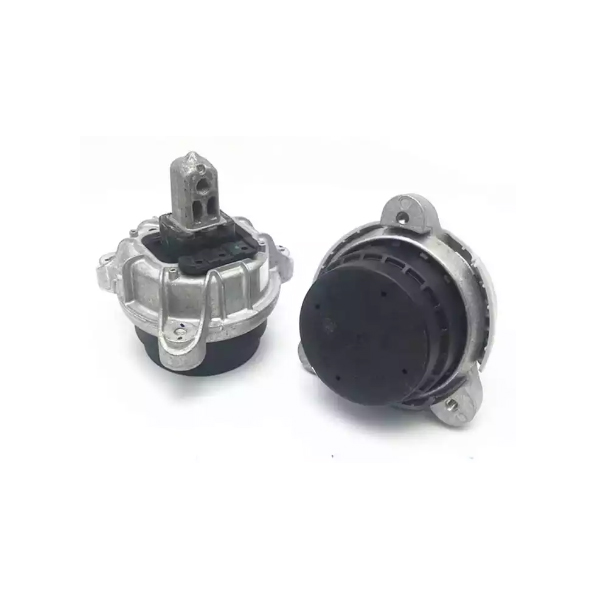
Understanding Engine Mounting: An Overview
What is Engine Mounting?
Engine mountings are components that serve as the connection between the engine and the vehicle's chassis. These mounts are responsible for securing the engine while simultaneously reducing the engine's vibration and noise. Engine mounts help keep the engine aligned and properly positioned, ensuring the vehicle operates smoothly and efficiently.
The purpose of an engine mounting system is to prevent engine vibrations from reaching the passenger cabin, reduce noise, and keep the engine steady while driving. Typically, they are made of materials such as rubber, polyurethane, or a combination of both, each material offering different levels of durability and vibration isolation.
Material | Advantages | Disadvantages |
Rubber | Flexible, cost-effective, common in standard applications | Can degrade over time, less durable than other materials |
Polyurethane | More durable than rubber, better for performance vehicles | Can transfer more vibration to the chassis |
Hydraulic | Excellent vibration isolation, smooth ride | More expensive, complex design |
The Role of Engine Mounting in Vehicle Performance
Engine mountings play a pivotal role in vehicle performance, especially in terms of stability and vibration control. When engine mountings are in good condition, they absorb and isolate vibrations, ensuring that the driver experiences a smooth and stable ride. Poorly functioning mounts can lead to a bumpy ride, excessive noise, and even discomfort for passengers.
Additionally, engine mountings are designed to reduce engine movement during acceleration and braking. This helps maintain proper alignment of the drivetrain and prevents undue stress on surrounding components, which could otherwise lead to premature wear or failure.
● Stability: Effective engine mounts keep the engine in place, preventing excessive movement during acceleration or braking, which improves overall vehicle stability.
● Noise and Vibration Control: Engine mountings act as a buffer, absorbing engine noise and vibrations to provide a quieter and more comfortable driving experience.
● Engine Alignment: Properly installed engine mounts ensure that the engine is aligned with the vehicle’s drivetrain, preventing misalignments that can lead to further mechanical issues.
Types of Engine Mountings
Understanding the different types of engine mountings is essential for selecting the right one for your application. The most common types of engine mounts are:
1. Rubber Engine Mounts: These are the most common and affordable types of mounts. They are designed to absorb vibrations and provide some flexibility in the engine’s positioning. Rubber mounts are generally used in regular consumer vehicles due to their cost-effectiveness and sufficient performance in most situations.
2. Hydraulic Engine Mounts: Hydraulic mounts are filled with fluid and designed to provide superior vibration isolation. They are commonly used in luxury vehicles or those requiring smoother rides, as they can absorb vibrations more effectively than rubber mounts.
3. Solid Engine Mounts: Solid mounts are typically found in high-performance or racing vehicles. These mounts offer the highest level of stability but at the cost of increased vibration transfer to the vehicle chassis. While they prevent engine movement, they can make the ride much rougher.
Type | Best For | Pros | Cons |
Rubber Mounts | Standard consumer vehicles | Cost-effective, good for standard vehicles | Less durable over time, transfers more vibration |
Hydraulic Mounts | Luxury and high-performance vehicles | Superior vibration isolation, smooth ride | Expensive, requires specialized installation |
Solid Mounts | Performance and racing vehicles | Maximum stability, prevents engine movement | Increased vibration transfer, rougher ride |
Importance of Selecting the Right Engine Mounting
How Engine Mountings Affect Repair Applications
The selection of the right engine mounting is pivotal in ensuring the accuracy and efficiency of engine repairs. When engine mounts are improperly selected or installed, they can cause issues that complicate repairs, leading to longer downtime and higher labor costs.
For example, incorrect mounts can cause misalignment between the engine and the transmission, which can create further complications such as increased friction, power loss, and even damage to the drivetrain. It is essential that the correct type of mount be chosen based on the engine's specifications and the type of repair being performed.
In addition to ensuring proper engine alignment, using the wrong engine mount can lead to increased wear on surrounding components, such as the transmission, exhaust system, and suspension, resulting in a higher overall repair bill.
Consequences of Incorrect Engine Mount Selection
Incorrectly selecting an engine mount can lead to several significant problems:
● Poor Engine Alignment: An incorrect mount can cause the engine to sit at an improper angle, misaligning the drivetrain. This could lead to uneven wear and tear on critical engine components.
● Increased Vibration: When a mount does not absorb engine vibrations effectively, it can result in a rougher ride, which can be uncomfortable for passengers and cause excessive strain on the vehicle’s frame and suspension system.
● Unnecessary Repairs: Using the wrong engine mount can lead to additional damage to surrounding components, such as the exhaust or transmission, which will result in costly repairs down the line.
Ensuring Long-Term Vehicle Performance
Choosing the right engine mount is not just about the immediate repair—it’s also about ensuring long-term vehicle performance. Engine mounts that are properly selected and installed will help ensure that the engine remains in good alignment, reducing unnecessary strain on other vehicle systems.
Additionally, using high-quality mounts can improve fuel efficiency. Misaligned engines or excessive vibration can reduce engine efficiency and increase fuel consumption, so ensuring that the engine is securely mounted can help optimize fuel economy over time.

Key Factors in Selecting Engine Mountings for Professional Repairs
Compatibility with Vehicle Model and Engine Type
One of the most critical factors when selecting an engine mount is compatibility. Engine mounts must be designed specifically for the vehicle model and engine type. The engine’s weight, design, and power output all influence the type of mount that should be used.
For instance, larger or heavier engines require mounts that can support greater loads. High-performance engines also need mounts that can absorb more vibration and handle the added stresses of more powerful engines.
It’s essential to consult the vehicle's manufacturer specifications and repair guidelines to ensure that you are selecting the right mount for the engine and the application.
Material Considerations for Different Applications
The material used in engine mount construction is another crucial factor. Different materials offer different benefits and are suited for various applications:
● Rubber: Rubber mounts are inexpensive, flexible, and commonly used in standard vehicles. However, they tend to degrade over time, especially when exposed to extreme temperatures or chemicals.
● Polyurethane: Polyurethane mounts are more durable than rubber, providing greater stability and performance. They are typically used in performance or off-road vehicles.
● Hydraulic: Hydraulic mounts are designed for superior vibration control and are often used in luxury or high-performance vehicles. They provide a smoother ride but tend to be more expensive than other types.
Load-Bearing Capacity and Durability
The load-bearing capacity of the engine mount is another vital consideration. The mount needs to be able to support the weight of the engine and handle the forces generated during engine operation. A mount with insufficient load-bearing capacity can result in failure, which could lead to severe engine damage.
Make sure to select a mount that matches the engine’s size and power output. For high-performance engines, stronger and more durable mounts are required, whereas standard vehicles may use less robust mounts.
Vibration and Noise Reduction
Engine mounts are designed to reduce vibrations and noise, which can be uncomfortable for passengers. Hydraulic mounts are particularly good at this, offering better isolation compared to rubber mounts. In contrast, solid mounts, while offering maximum engine stability, tend to transfer more vibrations to the vehicle chassis.
When selecting mounts for vehicles where noise and vibration control is a priority, it’s best to choose hydraulic or high-density polyurethane mounts to provide a balance of vibration reduction and durability.
Evaluating Quality and Cost: What to Look for in Engine Mounts
Identifying High-Quality Engine Mounts
When evaluating engine mounts, quality is of utmost importance. Look for mounts that are made of premium materials and are designed to withstand the rigors of engine operation. A reputable brand can often be an indicator of a higher-quality product, as well as an extended warranty, ensuring that the mount will perform reliably over time.
Cost vs. Quality: Making the Right Choice
While it might be tempting to choose budget options for engine mounts, it’s important to remember that quality often pays off in the long run. Premium mounts tend to last longer, perform better, and reduce the need for frequent replacements or repairs. Investing in higher-quality engine mounts can save time and money in future repairs, as well as ensure better vehicle performance.
Common Challenges in Engine Mounting and How to Address Them
Diagnosing Mounting Failures in Engine Repairs
Engine mount failures can manifest in several ways, including unusual vibrations, noises, or alignment issues. Regular inspections are essential to detect early signs of failure, such as cracks, worn-out rubber, or fluid leakage in hydraulic mounts.
Troubleshooting Vibration Issues During Repairs
Vibration problems often stem from incorrect engine mount selection or improper installation. If vibrations persist, consider using mounts with better vibration isolation properties or replacing worn-out mounts with higher-quality ones that better suit the vehicle's needs.
Best Practices for Engine Mount Installation and Maintenance
Installation Tips for Optimal Engine Mount Performance
Proper installation is essential for the effective performance of engine mounts. Ensure the mounts are aligned correctly, and always use the appropriate tools to tighten the bolts to manufacturer specifications. Incorrectly installed mounts can lead to vibration, noise, and alignment problems.
Routine Maintenance to Extend Mount Lifespan
Routine inspection of engine mounts is crucial to ensure they are functioning properly. Check for signs of wear, cracking, or fluid leakage regularly. Replacing worn mounts before they fail can prevent additional damage to the engine and chassis.
Conclusion
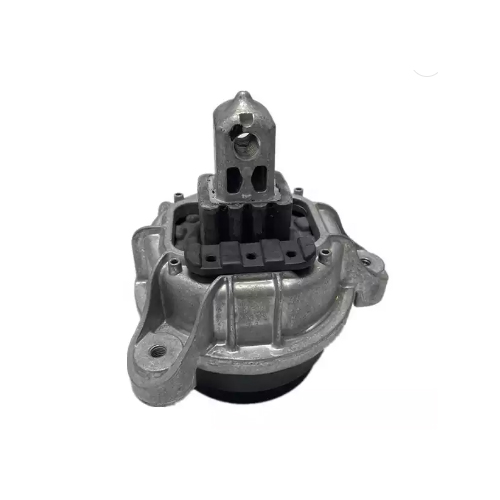
Selecting the right engine mounting is essential for ensuring long-term vehicle performance, safety, and repair efficiency. By understanding the different types of engine mounts, the factors that influence mount selection, and the importance of proper installation and maintenance, automotive professionals can make informed decisions that optimize engine repairs and improve overall vehicle longevity. Remember to always consider compatibility, material durability, and vibration control when choosing engine mounts. Following best practices for installation and routine maintenance will ensure that engine mounts provide optimal performance, reduce repair costs, and extend the lifespan of the vehicle. At Huiying, an experienced manufacturer specializing in auto parts, we provide high-quality engine mountings designed to meet the highest industry standards. With years of expertise, we ensure that our products support both vehicle performance and safety, helping professionals achieve reliable, long-lasting repairs.
FAQ
Q: What is engine mounting and why is it important for professional repairs?
A: Engine mounting refers to the process of securing the engine to the vehicle’s chassis. It is crucial for professional repairs as it minimizes engine movement, reduces vibrations, and improves vehicle performance, comfort, and NVH (Noise, Vibration, and Harshness) control.
Q: How do I choose the right engine mounting for different vehicle types?
A: The choice of engine mount depends on the vehicle’s performance requirements. High-performance vehicles require hydraulic or polyurethane mounts for better NVH control, while standard vehicles may use rubber mounts for cost-effective performance.
Q: What are the benefits of using high-quality engine mounting solutions?
A: High-quality engine mounts improve vehicle handling, reduce wear on engine components, and enhance NVH reduction, leading to a smoother, quieter ride. They also ensure better durability, reducing the need for frequent replacements and repairs.
Q: How can I diagnose engine mount problems?
A: Common signs of engine mount issues include unusual noises (like clunking or knocking), excessive vibrations, and misalignment of the engine. Regular inspection and testing during repairs can help identify worn-out mounts and prevent further damage.


