Introduction
In the competitive automotive industry, every component matters. Wheel covers, once seen as purely decorative, are now essential for performance and protection. High-performance wheel covers not only enhance vehicle aesthetics but also improve durability and efficiency. In this article, we will explore how upgrading wheel protection solutions with advanced wheel covers boosts automotive parts competitiveness, focusing on functionality, materials, and innovations.
The Role of Wheel Covers in Enhancing Automotive Performance and Protection
Aesthetic and Functional Benefits of High-Performance Wheel Covers
Wheel covers, especially high-performance versions, provide more than just a visual upgrade to vehicles. They are designed to enhance a vehicle's appearance while offering practical benefits. High-performance wheel covers help to transform basic steel wheels into sleek, alloy-like designs, creating a polished and refined look. Beyond their visual appeal, these covers protect the underlying wheel components from environmental damage, such as dirt, moisture, and corrosion, ultimately increasing vehicle value. By improving both form and function, high-performance wheel covers offer a winning solution to vehicle manufacturers and owners.
Protecting Wheels from Harsh Road Conditions
The protection of wheels from harsh road conditions is one of the primary benefits of high-performance wheel covers. Modern roads are filled with debris, water, chemicals, and road salts, which can rapidly degrade the quality of a wheel. Durable wheel covers act as a shield, preventing these elements from coming into contact with the wheel surface. This protection reduces the chances of rust, corrosion, and wear, extending the lifespan of the wheel. As a result, high-performance wheel covers serve as both a defense mechanism and an investment in long-term vehicle care.
Impact on Vehicle Durability and Lifespan
Investing in high-quality wheel covers can significantly extend the lifespan of wheels. A well-made wheel cover helps prevent the accumulation of harmful materials that can damage the wheel's surface, reducing maintenance costs and the need for frequent replacements. By mitigating the risks of corrosion and physical damage, wheel covers enhance overall vehicle durability, reducing repair costs over time and contributing to a vehicle's longevity.
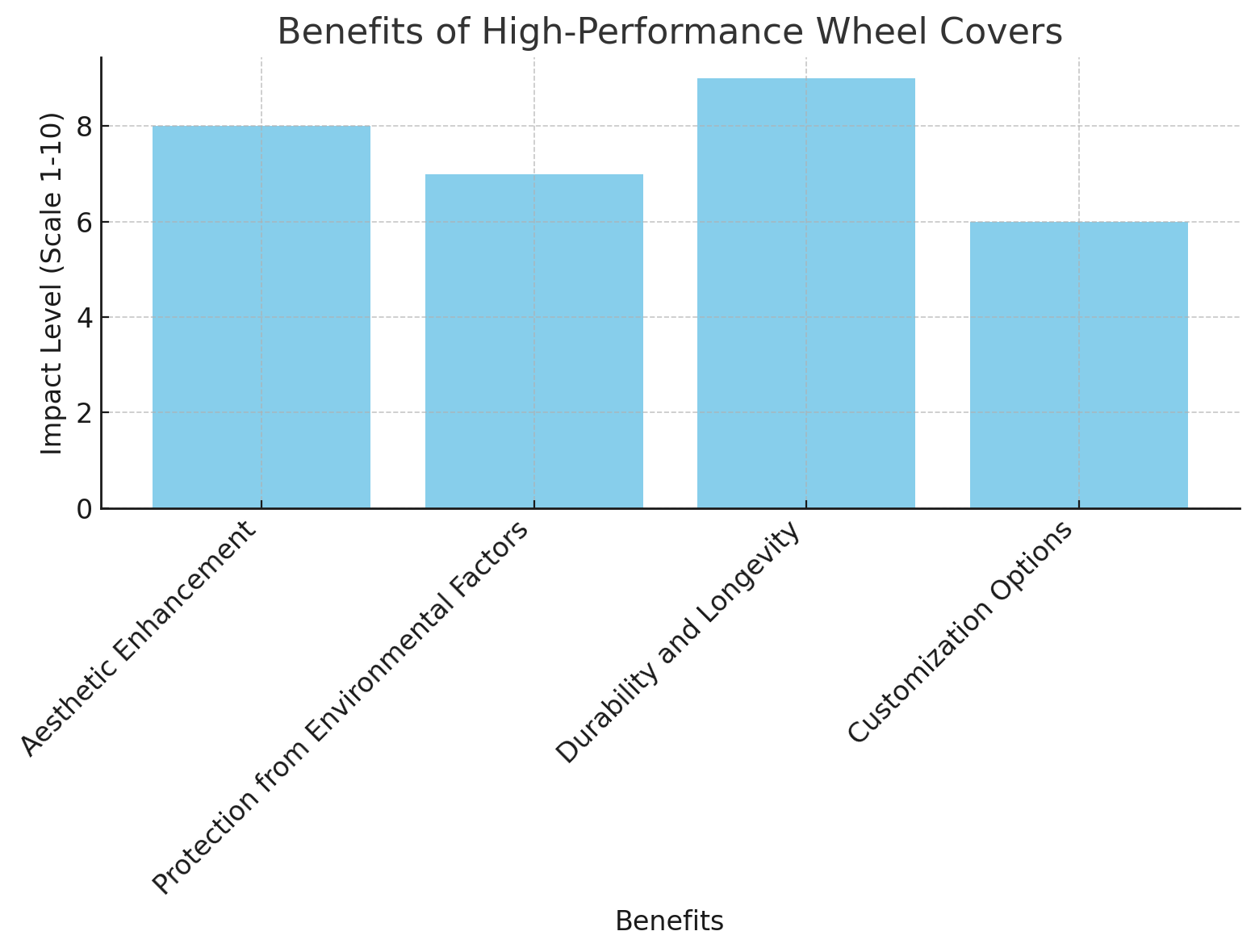
Benefit | Impact on Vehicle |
Aesthetic Enhancement | Improves vehicle appearance |
Protection from Environmental Factors | Shields wheels from dirt, debris, moisture |
Durability and Longevity | Extends wheel life, reduces long-term costs |
Customization Options | Meets consumer demand for unique designs |
Why High-Performance Wheel Covers are Crucial for Automotive Competitiveness
Cost Efficiency in the Supply Chain
High-performance wheel covers can lead to significant cost savings in the automotive supply chain. While the initial investment in advanced materials and technologies may seem high, the durability and protective nature of these wheel covers help reduce long-term costs. They minimize the frequency of wheel replacements and repairs, which translates to fewer resources needed for maintenance. Additionally, manufacturers can improve production efficiency by streamlining wheel cover design and manufacturing processes, reducing labor and material costs across the supply chain.
Enhancing Vehicle Efficiency and Fuel Economy
One of the most notable advantages of high-performance wheel covers is their impact on vehicle fuel economy. Lightweight wheel covers, made from advanced materials such as aluminum or carbon fiber, contribute to a vehicle’s overall weight reduction. This reduction in weight enhances the vehicle’s power-to-weight ratio, leading to improved fuel efficiency. As global markets push for greener, more efficient vehicles, using wheel covers that support fuel-saving technologies is becoming an essential aspect of automotive design and competitiveness.
Customization Trends in the Automotive Industry
Customization is a growing trend within the automotive industry. Consumers are increasingly interested in personalizing their vehicles, including wheel covers. High-performance, customizable wheel covers allow consumers to choose designs, finishes, and materials that reflect their personal style. Offering these customizable options can help brands differentiate themselves in a crowded market, attracting more customers and enhancing customer satisfaction. As this trend continues to grow, automotive brands must adapt by incorporating more customizable solutions to stay competitive.
Cost Saving Factor | Impact on Supply Chain |
Reduced Maintenance Costs | Less frequent repairs and replacements |
Lightweight Design | Lower shipping costs due to reduced weight |
Longer Wheel Lifespan | Fewer replacements, extending the wheel's lifespan |
Customization Efficiency | Faster production and delivery of customized parts |
The Materials Behind High-Performance Wheel Covers
Lightweight Materials: Aluminum, Carbon Fiber, and Composites
The materials used in the manufacturing of high-performance wheel covers are pivotal in determining their functionality. Materials such as aluminum, carbon fiber, and advanced composites are widely used due to their lightweight properties. These materials reduce the overall weight of the wheel assembly, improving vehicle fuel efficiency and performance. Additionally, carbon fiber and composites offer superior strength and durability, ensuring the wheel cover withstands harsh environmental conditions while remaining lightweight.
Durability and Impact Resistance
When choosing high-performance wheel covers, durability and impact resistance are critical factors to consider. The materials used in manufacturing these wheel covers must withstand impacts from road debris, curbs, and extreme weather conditions. Aluminum alloys and carbon fiber composites are known for their impact resistance, offering both protection and longevity. These materials are engineered to absorb shocks and resist deformation, maintaining the integrity of the wheel cover over time.
Environmental Considerations: Eco-Friendly Materials and Manufacturing
As sustainability becomes a greater focus in manufacturing, the use of eco-friendly materials in wheel covers is gaining traction. Manufacturers are exploring sustainable options, such as recycled materials and eco-friendly manufacturing processes. These efforts not only help reduce the environmental impact of production but also appeal to consumers who prioritize sustainability. High-performance wheel covers made from eco-conscious materials can contribute to a greener automotive industry while maintaining functionality and performance.
Material | Benefits | Applications |
Aluminum | Lightweight, corrosion-resistant, affordable | Standard and premium vehicles |
Carbon Fiber | Strong, lightweight, impact-resistant | Sports cars, high-performance vehicles |
Composites | Strong, durable, lightweight, customizable | Luxury vehicles, custom designs |
Innovations Driving the Future of Wheel Covers in the Automotive Market
Aerodynamic Improvements in Wheel Cover Design
Aerodynamic wheel cover designs are becoming increasingly important for vehicle performance. These covers are engineered to reduce drag and improve the vehicle’s overall aerodynamic efficiency. By streamlining the airflow around the wheels, high-performance wheel covers help reduce wind resistance, enhancing fuel efficiency and reducing carbon emissions. This innovation is particularly relevant as automotive manufacturers strive to meet stricter environmental regulations and improve vehicle performance.
Smart Features: Integrating Technology into Wheel Covers
Technology integration is transforming the wheel cover market. Modern high-performance wheel covers can now include smart features such as built-in sensors for tire pressure monitoring or LED lighting for enhanced aesthetics. These added features not only increase the functionality of the wheel cover but also contribute to vehicle safety and efficiency. As technology continues to evolve, the demand for intelligent wheel covers that combine design, protection, and innovation will grow, offering new opportunities for manufacturers.
Advances in Manufacturing Techniques: Injection Molding and 3D Printing
Advancements in manufacturing techniques, such as injection molding and 3D printing, are revolutionizing the wheel cover industry. These technologies enable manufacturers to create precise, customizable wheel covers at a lower cost and faster turnaround time. 3D printing, in particular, allows for complex designs that were previously difficult to achieve, offering a high degree of customization. As manufacturing processes become more advanced, companies can offer high-performance wheel covers that are both cost-effective and innovative.
Innovation | Benefit | Example |
Aerodynamic Design | Reduces drag, improves fuel efficiency | Wheel covers designed for wind resistance |
Smart Features | Adds sensors, LED lighting for enhanced functionality | Wheel covers with integrated sensors |
3D Printing | Enables precise, customizable designs | Custom designs using 3D printing technology |
Challenges in Manufacturing and Distributing High-Performance Wheel Covers
Navigating Global Trade and Regulatory Challenges
The global trade landscape and varying regulations across regions can pose significant challenges for manufacturers and distributors of high-performance wheel covers. Regulations regarding materials, emissions, and manufacturing processes differ from country to country, requiring businesses to stay informed about local laws and standards. Navigating these complex regulatory frameworks is crucial for maintaining compliance and avoiding costly delays or penalties.
Overcoming Supply Chain Disruptions in Wheel Cover Production
Supply chain disruptions, such as material shortages or shipping delays, can impact the production and delivery of high-performance wheel covers. The global supply chain is vulnerable to a variety of challenges, including economic instability, natural disasters, and geopolitical factors. Manufacturers need to implement contingency plans and diversify their supplier base to ensure a steady flow of materials and avoid production delays.
Ensuring Quality Control and Preventing Counterfeit Products
The rise of counterfeit products in the automotive parts industry is a significant concern. Counterfeit wheel covers may be made from substandard materials, compromising vehicle safety and performance. To address this, manufacturers must establish strict quality control measures and implement anti-counterfeit technologies. Ensuring the authenticity and durability of wheel covers is essential for maintaining brand reputation and consumer trust.
The Impact of High-Performance Wheel Covers on Automotive Competitiveness
Gaining a Competitive Edge in the Aftermarket
The aftermarket automotive parts market is fiercely competitive, and high-performance wheel covers can provide a valuable competitive edge. Offering advanced, durable, and customizable wheel covers enables companies to stand out and attract consumers looking for premium upgrades. By focusing on quality, innovation, and performance, brands can strengthen their position in the market and build a loyal customer base.
Strengthening Brand Identity through Customized Wheel Covers
Customized wheel covers provide an opportunity for automotive companies to strengthen their brand identity. Whether through unique designs, materials, or color options, customizable wheel covers allow consumers to personalize their vehicles and showcase their individuality. By offering customization options, brands can appeal to a wider audience and create a deeper connection with customers.
Enhancing Customer Satisfaction and Loyalty
High-performance wheel covers contribute to improved customer satisfaction by offering a combination of aesthetics, durability, and functionality. When consumers invest in wheel covers that enhance vehicle performance and protect against environmental damage, they are more likely to be satisfied with their purchase. This satisfaction leads to increased loyalty, repeat business, and positive word-of-mouth recommendations, which can drive long-term success in a competitive market.
Conclusion
Upgrading to high-performance wheel covers is a key strategy to enhance vehicle protection and boost automotive parts competitiveness. Investing in durable, innovative, and customizable solutions can improve performance, reduce maintenance costs, and meet the growing demand for personalization. SEIKOSHOWA offers products that leverage advanced materials and cutting-edge technology, ensuring high-quality, efficient wheel protection for the automotive industry.
FAQ
Q: What is a high-performance wheel cover?
A: A high-performance wheel cover is a durable and functional accessory designed to protect wheels from environmental factors while enhancing vehicle appearance and performance.
Q: How do high-performance wheel covers boost automotive competitiveness?
A: By improving vehicle efficiency, reducing maintenance costs, and offering customization options, high-performance wheel covers help manufacturers differentiate their products in a competitive market.
Q: What materials are used in high-performance wheel covers?
A: Common materials include aluminum, carbon fiber, and composites, which provide lightweight, impact-resistant, and durable protection for wheels.
Q: Can high-performance wheel covers improve fuel efficiency?
A: Yes, lightweight wheel covers reduce vehicle weight, contributing to better fuel economy by improving overall efficiency and reducing drag.
Q: Why should businesses invest in high-performance wheel covers?
A: Investing in durable, customizable wheel covers helps businesses enhance product value, attract customers, and stay ahead in a competitive automotive parts market.


